
GOLF COURSE CASE STUDY
Leamington & County Golf Club
Robotic mowing, working alongside the greenkeeping team
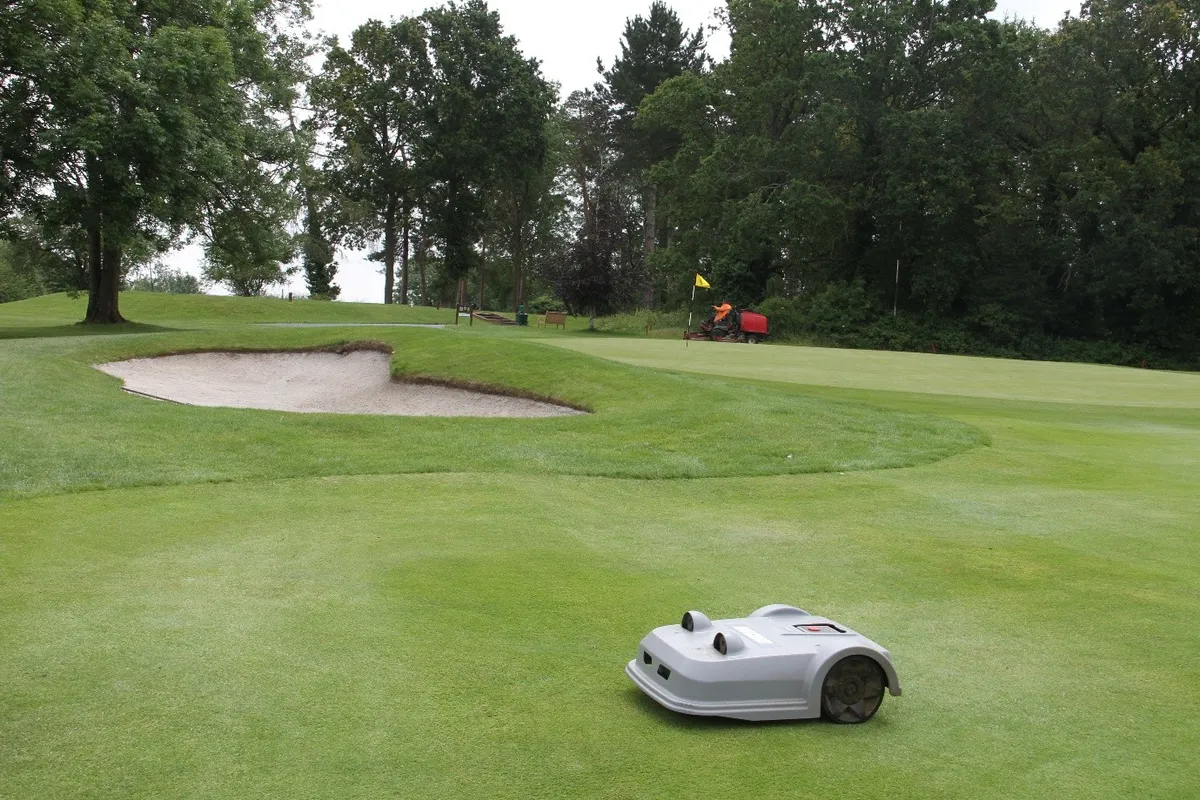
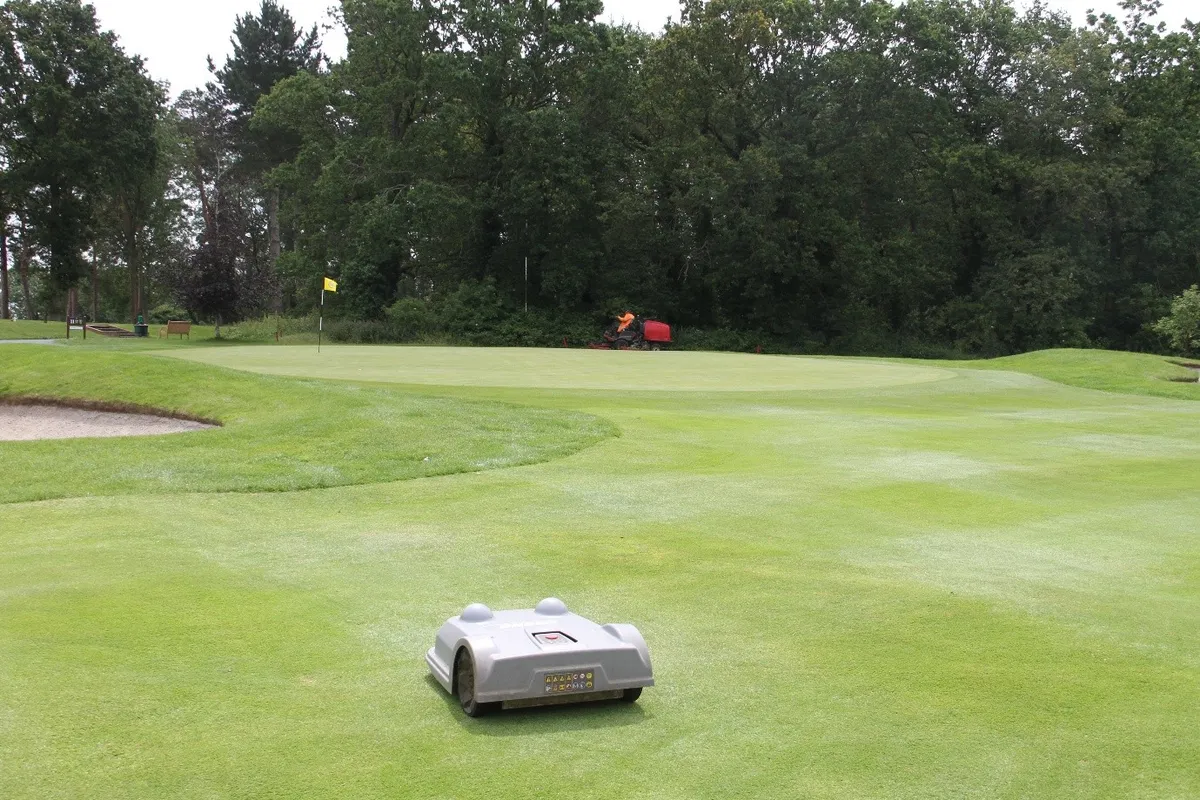
At an 18-hole Midlands parkland course, a small greenkeeping team was exploring how robotic mowing could help with routine cutting. The objective was to support the teamʼs work, freeing attention for other course priorities rather than removing the need for skilled greenkeepers.
SmartLawnsʼ Gary Whitney worked with the club to demonstrate the equipment and help establish how it could operate on the course. The experience illustrates both the potential of robotic mowing and the practical planning needed to make it useful.
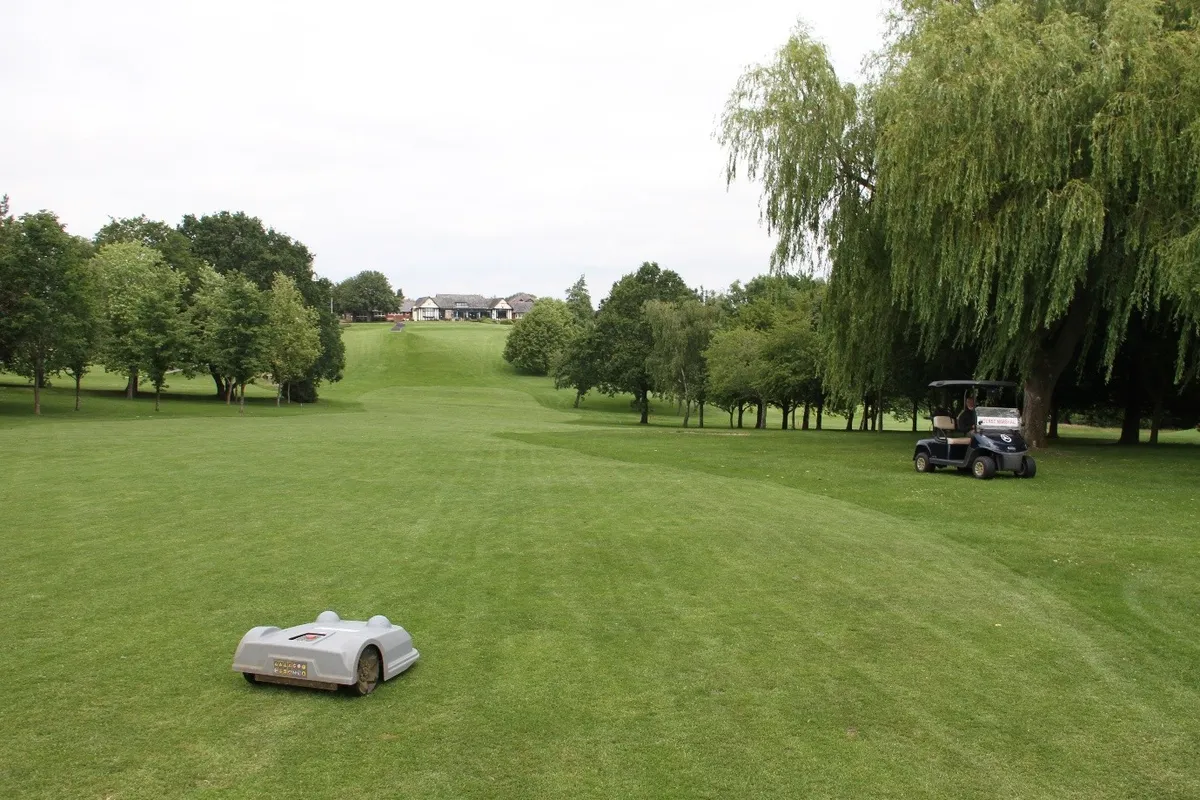
Start with the work, not the machine
The clubʼs management considered robotic mowing alongside conventional machinery, with staffing pressures and long-term operating costs part of the discussion. Seeing the robots work helped turn that discussion into a practical assessment of where they might fit.
Fairways and rough were among the areas described in the installation. The question was not simply whether a mower could cover a large area, but whether it could deliver the required cutting regime within the time available.
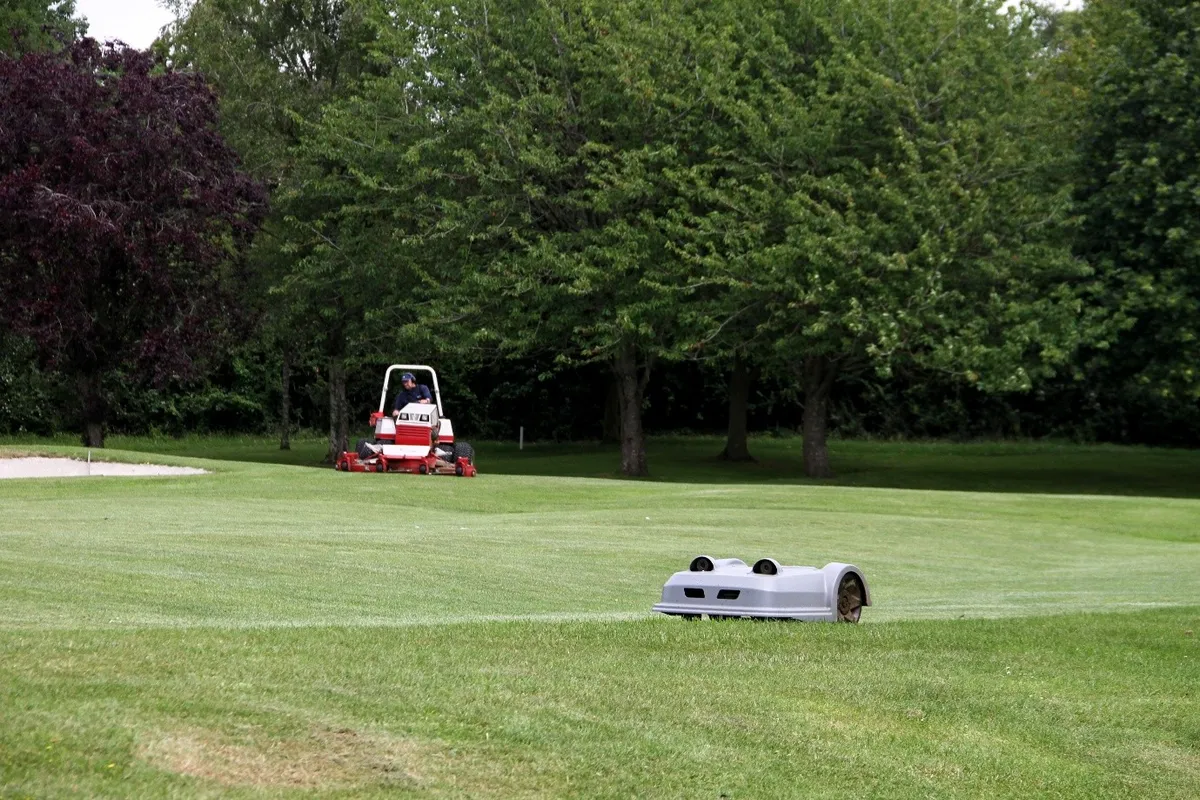
Build charging into the mowing plan
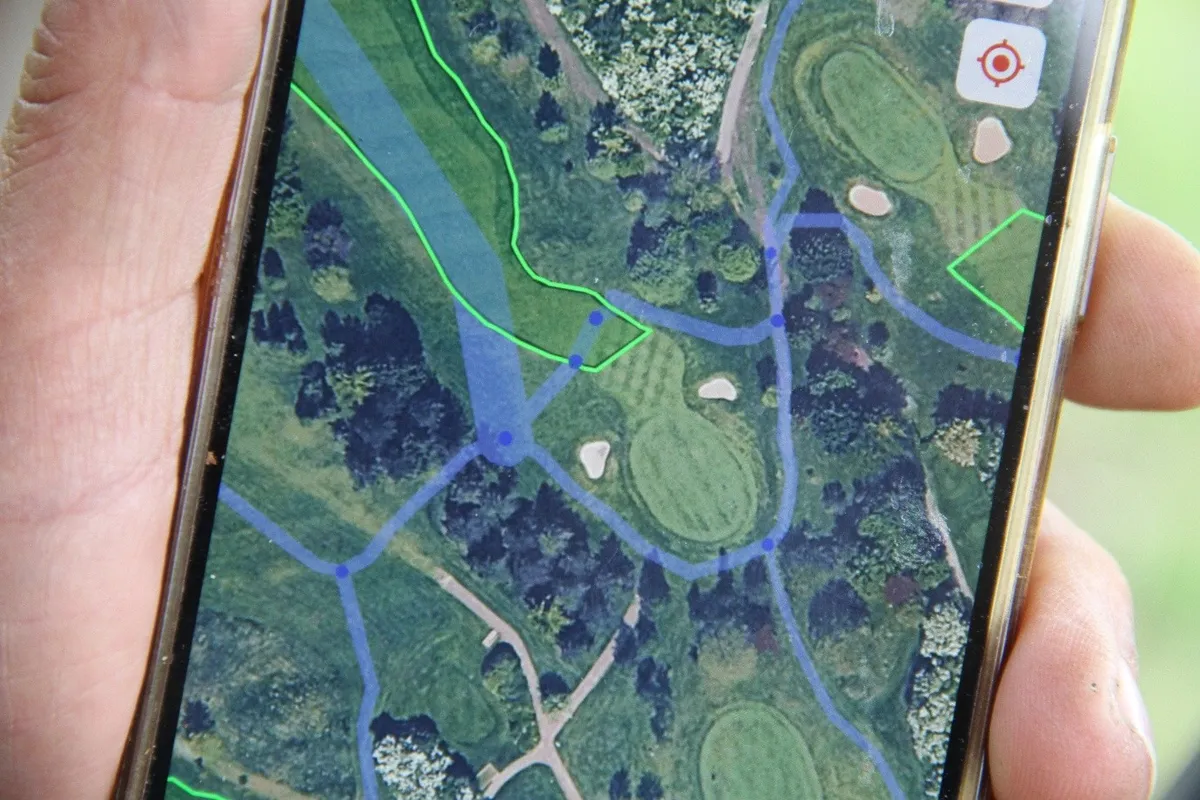
The robots had their own charging stations, and their work was organised around defined areas of the course. Planning therefore needed to account for the time spent cutting and the time spent recharging, rather than treating every available hour as mowing time.
The operating routine also needed to respond to grass growth and conditions. During the hot weather period described in the article, the club had adjusted its cutting frequency to suit the growth it was seeing.
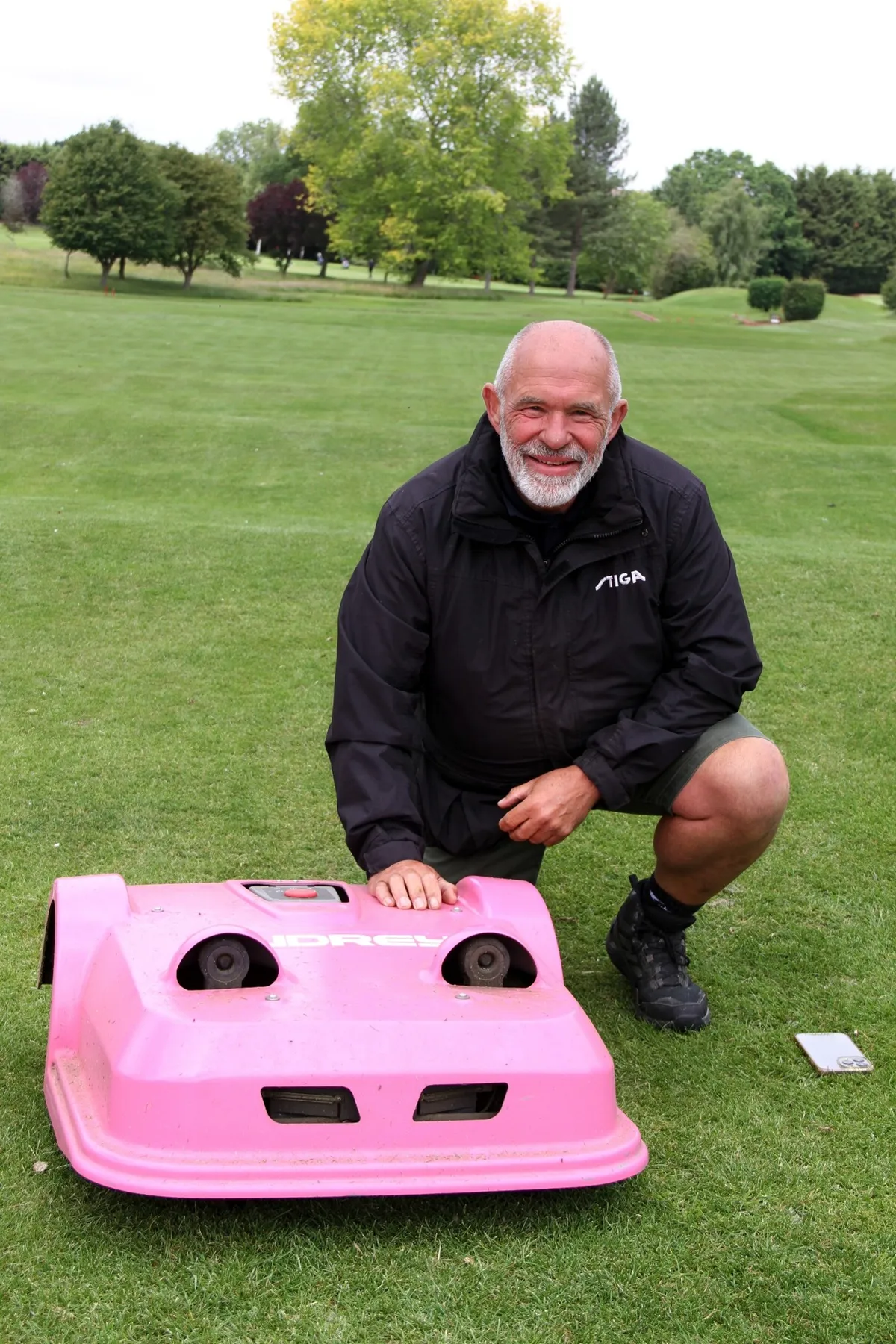
Keep the team involved
The greenkeeping team remained part of the process, monitoring the equipment and managing its routine care. Robotic mowing was an addition to the maintenance operation, not a system that could be installed and forgotten.
At the time of the visit, the team reported that the robots were doing a good job. They also recognised the time needed to manage them and meet the courseʼs requirements.
THE PRACTICAL LESSON
What other clubs can take from the experience
For SmartLawns, the practical lesson is to match the installation to the courseʼs actual workload. Area, mowing frequency, charging time, access and maintenance arrangements all need to be considered together.
Could robotic mowing fit your course?
Speak to SmartLawns about suitable equipment, demonstrations, installation and ongoing support. If you are still assessing feasibility or planning a phased, course-wide move to automation, our Course Autonomy advisory practice provides a separate route into that discussion.
Back to Golf Courses