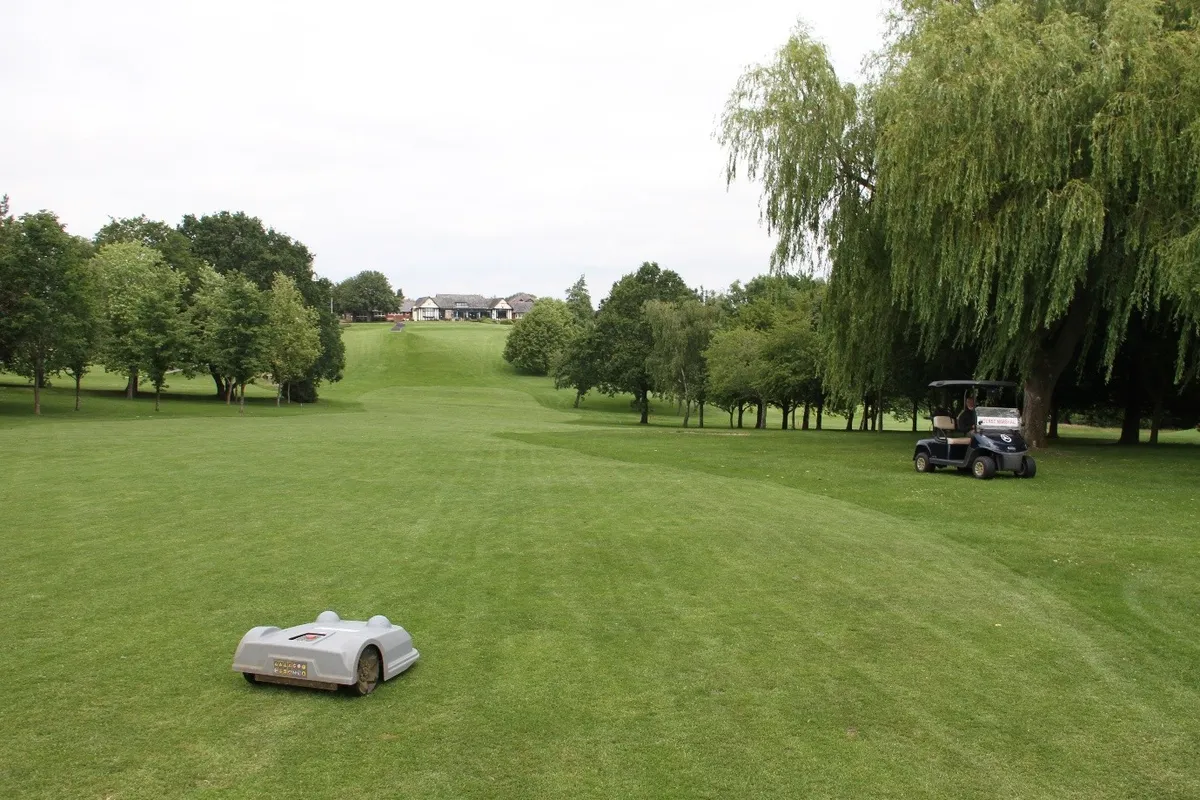
Not sure where robotic mowing fits your course, which machines to consider, or how to phase the investment? Course Autonomy, the golf-club advisory practice of SmartLawns Ltd, helps your team assess feasibility and develop an evidence-led adoption plan.
EXPLORE THE POSSIBILITIES
“Will robotics work for our course?”
Start with Course Autonomy for feasibility reporting, site surveys and specification, or support through implementation.
Stay with SmartLawns for equipment, installation and support.
Course Autonomy is the golf-club advisory practice of SmartLawns Ltd, an authorised dealer for selected robotic mowing brands. Advisory recommendations are made independently of dealer relationships, which are disclosed in writing before any purchase. Consultancy does not require you to purchase equipment from SmartLawns.
START WITH THE AREAS
Not every part of the course asks the same of a mower.
Define the work before selecting a fleet. Each candidate area needs its own operating requirements and suitability review.
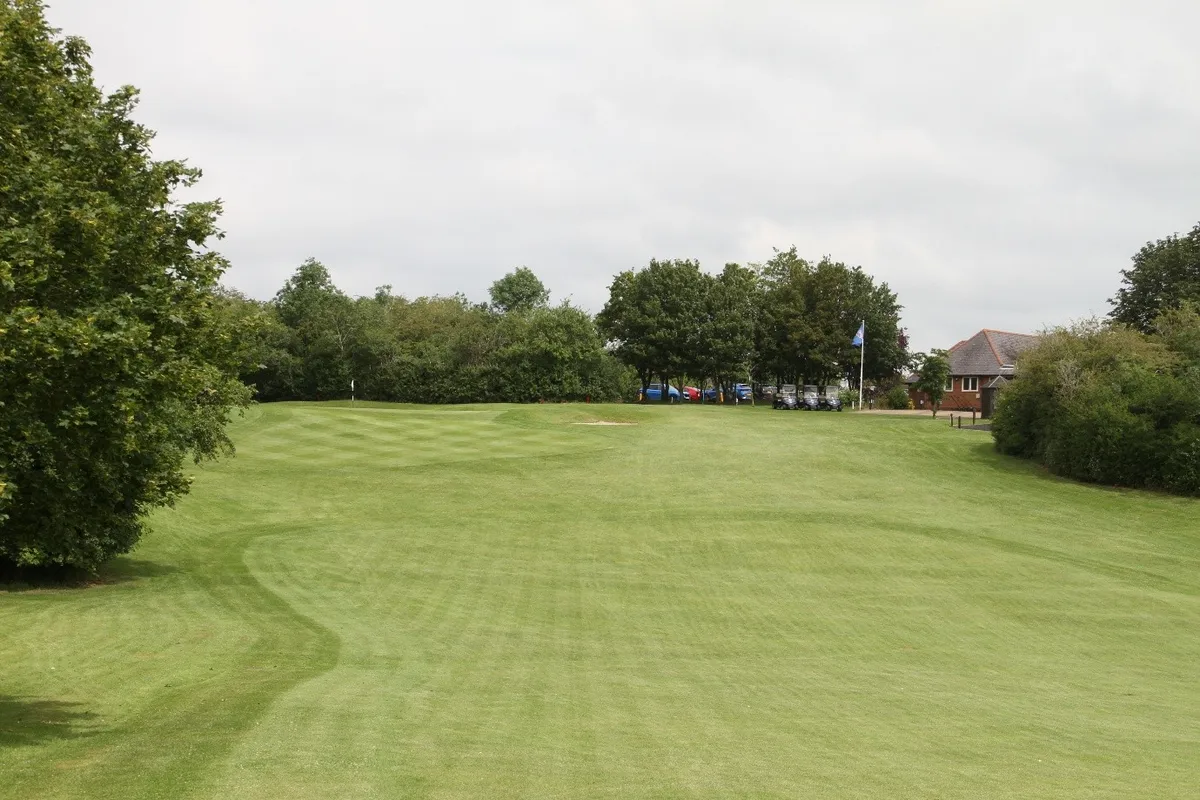
Fairways
Consider area, mowing frequency, terrain and the finish your team is working towards.
When are the playing windows, and how much of each day is genuinely available?
Rough & semi-rough
Review growth, ground conditions, obstacles and the different areas included in the scope.
How should workload be divided across zones and changing seasonal demands?
Other maintained areas
Assess suitable surrounds, practice areas and amenity lawns separately.
Which tasks belong in the robotic plan, and which should remain with existing equipment?
Greens and specialist surfaces are not assumed to be covered by a general robotic mowing proposal.
CAPACITY THAT REFLECTS THE WORKING DAY
Count the whole cycle. Not just the cutting.
A fleet decision needs more than a headline area rating. The practical question is whether the agreed work fits into the time your course can make available.
Build the plan around site-adjusted performance and make its assumptions visible to the course team.
Area by zone, required frequency and mowing standard.
02
Allow for the full operation
Mowing, charging, travel and the return to base.
03
Respect the available window
Playing times, maintenance work and access restrictions.
04
Review the margin
Seasonal conditions, interruptions and observed performance.
A planning estimate is not a guaranteed output or a verified navigation route.
A FLEET PLAN THE TEAM CAN UNDERSTAND
Bring the whole course into the conversation.
The right discussion connects areas, schedules, infrastructure and the people responsible for delivery.
01
Map the scope
Identify candidate mowing zones, exclusions and access between areas.
02
Plan the operation
Consider fleet allocation, charging locations, travel and mowing windows.
03
Review on site
Check practical constraints and agree what needs validating before rollout.
04
Install & support
Set up the agreed solution, hand over to the team and define aftercare.
YOUR QUESTIONS
Before the fleet comes the detail.
How many robots would our course need?+
That depends on the defined areas, mowing frequency, usable operating hours and realistic cycle performance. A fleet size should follow those inputs rather than total course acreage alone.
Can charging and travel affect the fleet size?+
They belong in the time budget. A useful plan accounts for the full working cycle and how robots move between the relevant areas and charging locations.
Do we need a measured course plan to start?+
No. An initial conversation can begin with approximate areas and your maintenance priorities. Detailed planning would then use the available mapping and a review of site conditions.
Are you proposing to replace our greenkeeping team?+
No. The proposed approach focuses on how robotic mowing could support the team’s work. It should make remaining tasks, oversight and maintenance responsibilities explicit.